Smart Fleet Liquidation for Maximum Returns
Fleet liquidation is more than selling used forklifts. It is a strategic financial decision that can significantly affect cash flow, equipment replacement budgets, and long-term operational efficiency.
Whether a business is modernizing its fleet, downsizing operations, or transitioning to electric equipment, understanding when to sell and how to maximize resale value can make the difference between recovering strong market value and accepting unnecessary losses.
Planning a More Profitable Fleet Liquidation
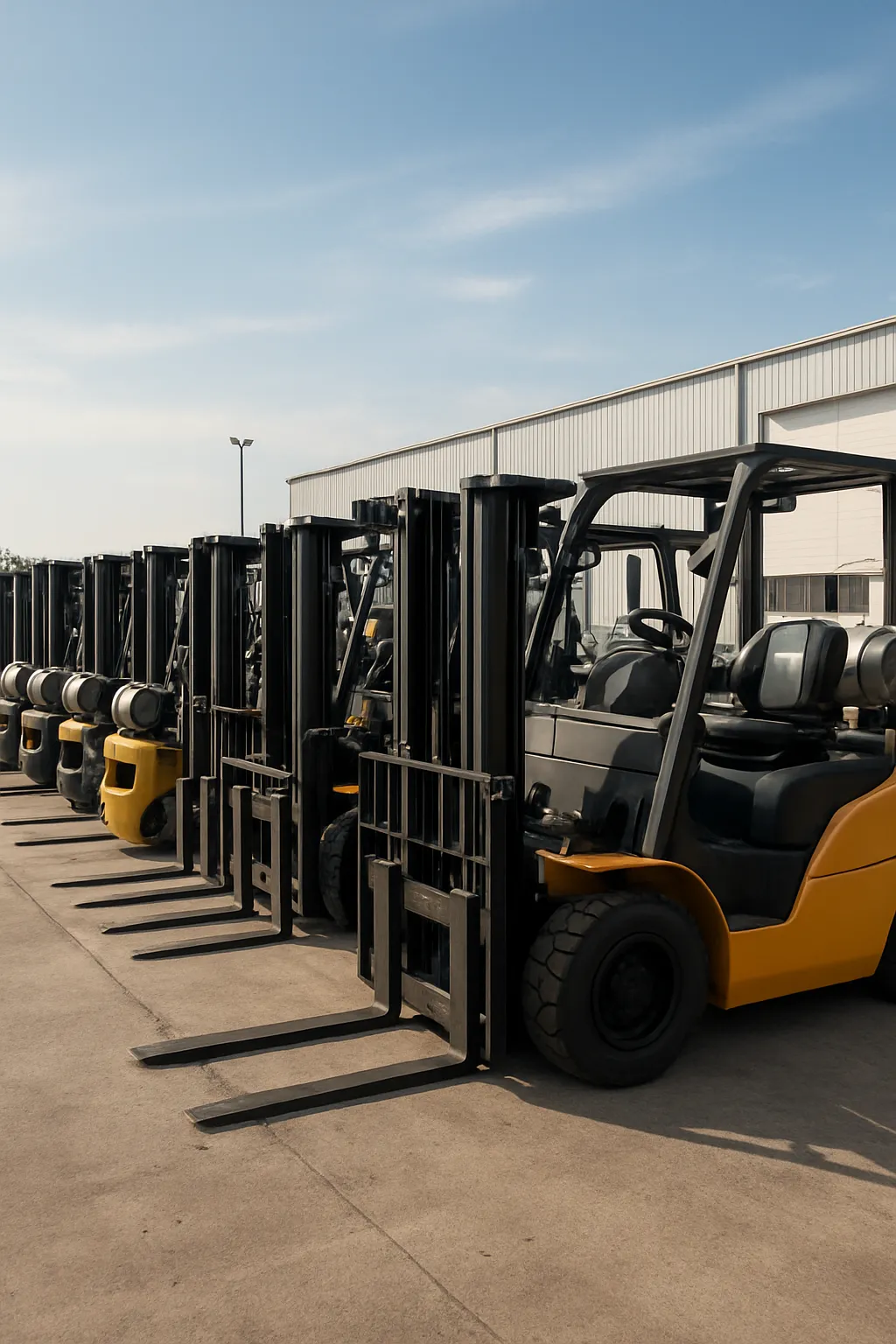
The wholesale market is influenced by several factors, including equipment age, operating hours, maintenance history, brand reputation, and overall market demand. Companies that plan their liquidation strategy carefully are often able to achieve better returns while minimizing operational disruption.
Quick answer
The strongest liquidation returns typically come from selling operational forklifts before repair costs rise sharply, maintaining complete service records, monitoring market demand, and coordinating each sale with a planned replacement schedule.
Why Timing Matters
Many businesses wait until forklifts become unreliable before considering replacement. Unfortunately, by that stage, depreciation has already reduced much of the equipment's resale value.
Fleet managers should monitor the equipment lifecycle and evaluate replacement before maintenance costs begin escalating. Selling equipment while it is still operational and attractive to secondary buyers typically produces stronger wholesale pricing.
Benefits of selling at the right time
- Improve cash flow
- Reduce repair expenses
- Minimize downtime
- Upgrade equipment technology
- Strengthen capital planning

Understanding Wholesale Value
Wholesale buyers evaluate forklifts differently from end users. Rather than focusing solely on appearance, buyers assess long-term operating potential, expected repair requirements, and future maintenance costs.
Usage and condition
Total operating hours, tire condition, hydraulic performance, and visible equipment wear help buyers estimate the forklift's remaining working life.
Configuration
Mast configuration, lift height, fuel or battery type, and attachment compatibility influence how many secondary buyers can use the equipment.
Ownership history
Service documentation, previous repairs, inspection records, and responsible ownership can reduce uncertainty and increase buyer confidence.
| Valuation factor | What buyers evaluate | How sellers can prepare |
|---|---|---|
| Operating hours | Estimated wear on the drivetrain, hydraulics, brakes, mast, and steering system. | Record accurate hours and explain how the forklift was used. |
| Service history | Frequency of preventive maintenance and major component repairs. | Collect invoices, inspection reports, and maintenance records. |
| Equipment condition | Tires, forks, lift chains, mast rollers, leaks, body damage, and general operation. | Complete practical repairs and present the equipment cleanly. |
| Equipment configuration | Mast type, lift height, fuel type, battery condition, and attachment options. | Provide complete specifications and identify included accessories. |
| Brand demand | Parts availability, dealer support, reliability, and resale demand. | Review current demand for the manufacturer and model. |
Operating Hours Matter
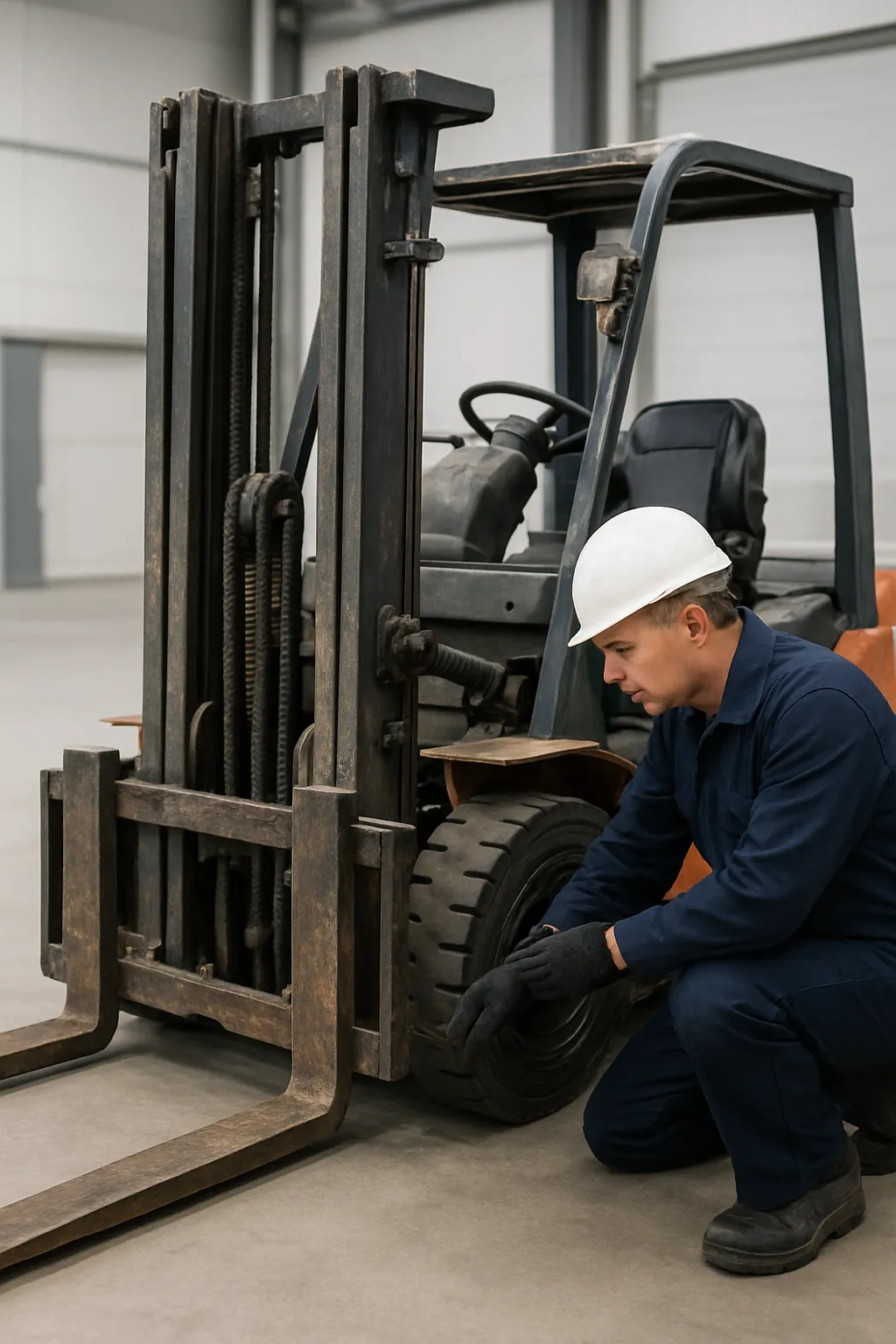
Forklift hours function much like mileage on commercial vehicles. Higher operating hours generally indicate increased wear on major components such as:
- Hydraulic systems
- Steering assemblies
- Lift chains
- Mast rollers
- Brakes
- Drive systems
However, hours alone do not determine value. A well-maintained forklift with higher hours may command a stronger price than a poorly maintained machine with relatively low usage.
Maintenance Records Increase Buyer Confidence
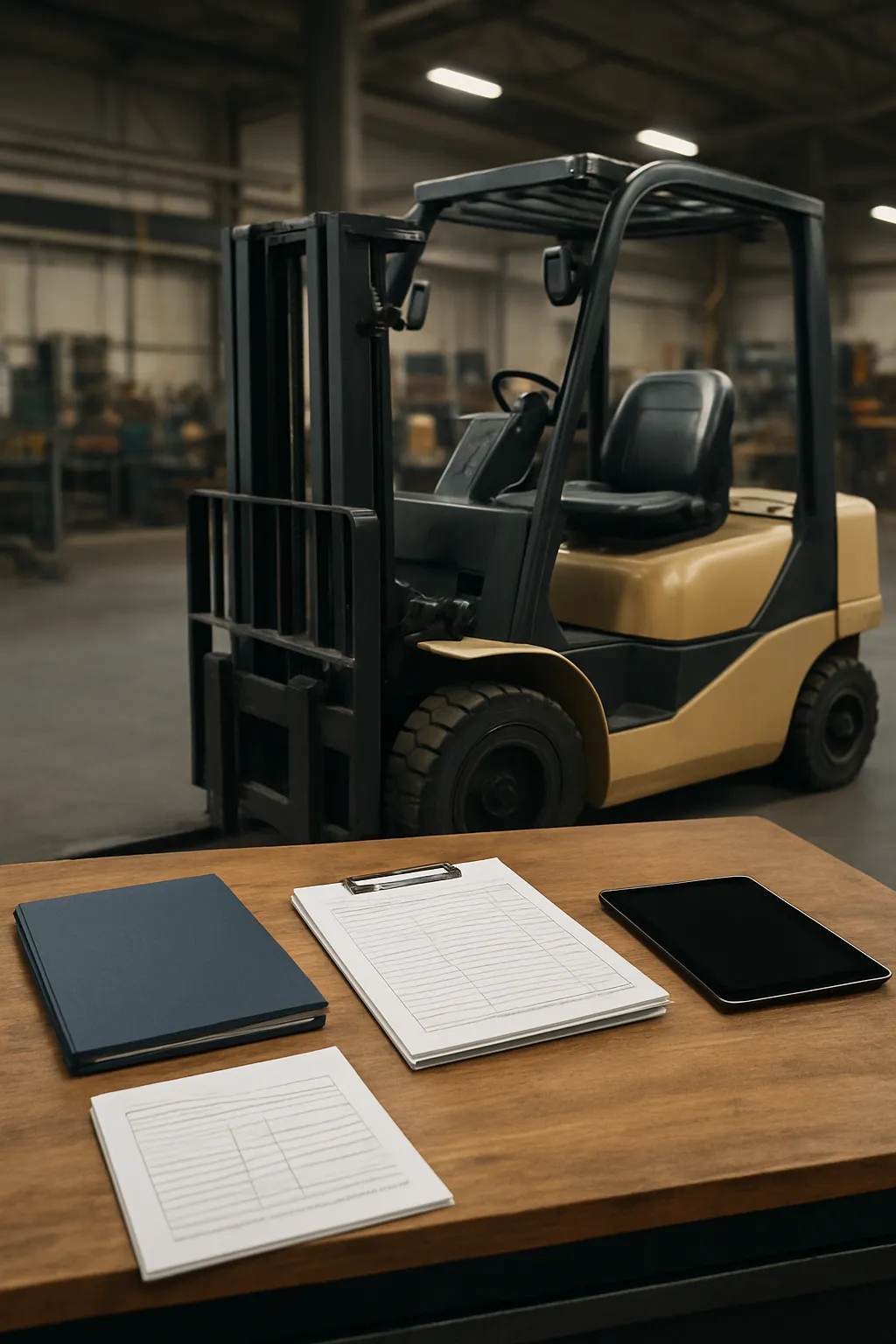
One of the simplest ways to improve resale value is to maintain detailed service documentation.
Buyers appreciate records showing:
- Preventive maintenance
- Oil changes
- Battery replacement
- Tire replacement
- Hydraulic servicing
- Safety inspections
- Major component repairs
Complete documentation demonstrates responsible ownership while reducing uncertainty during the purchasing process.
Brand Reputation Influences Resale
Not all forklift brands retain value equally. Manufacturers with strong reputations for reliability, dealer support, and parts availability generally perform better in the wholesale market.
Popular brands often generate stronger demand because buyers recognize their long-term durability and lower ownership risk. Businesses comparing resale performance can review Toyota, Hyster, Crown, and Raymond reviewed for the Canadian market. Understanding how different manufacturers perform helps fleet managers estimate future residual values before making purchasing or liquidation decisions.
Market Conditions Affect Pricing
Wholesale values fluctuate based on supply and demand. Selling during periods of strong equipment demand often produces higher returns than waiting until the market becomes oversupplied.
Industry activity
Construction activity, manufacturing output, warehousing demand, and economic growth can increase demand for used equipment.
Equipment availability
New equipment shortages and longer manufacturer lead times can make operational used forklifts more valuable to buyers.
Financing conditions
Interest rates and borrowing costs may affect whether businesses purchase new equipment or look for more affordable used alternatives.
Fleet Age Should Be Balanced
Replacing every forklift simultaneously is rarely the most economical strategy. Many organizations stagger equipment replacement to maintain predictable budgets and avoid liquidating an entire aging fleet when market values are already low.
A staggered replacement schedule can help businesses:
- Maintain predictable equipment budgets
- Reduce sudden capital spending spikes
- Improve operational consistency
- Preserve resale values
- Minimize equipment downtime
A structured replacement schedule allows each forklift to be assessed individually based on utilization, condition, maintenance expenses, and current market demand.
Planning the Replacement Budget
Fleet liquidation should always be coordinated with replacement planning. Selling equipment without accounting for acquisition timelines, financing requirements, and operational demand can create expensive gaps in fleet capacity.
Budget considerations include:
- Equipment purchase price
- Financing options
- Maintenance savings
- Productivity improvements
- Residual value expectations
- Operating cost reductions
Businesses preparing replacement budgets can consult the rice Guide for new and used forklifts. Comparing current market pricing provides realistic expectations for both acquisition costs and liquidation proceeds.

Common Liquidation Mistakes
Several avoidable mistakes can reduce wholesale returns and limit buyer interest.
Waiting too long
Waiting until equipment repeatedly fails can reduce its resale value and make it harder for buyers to estimate future repair costs.
Incomplete documentation
Missing maintenance records, inspection reports, or equipment specifications can increase uncertainty and weaken offers.
Poor presentation
Dirty equipment, unresolved leaks, damaged panels, and unclear photographs may discourage otherwise qualified buyers.
Weak market timing
Selling during an oversupplied market can make it more difficult to attract competitive wholesale pricing.
Ignoring brand demand
Failing to account for manufacturer reputation, parts availability, and regional demand can lead to unrealistic pricing expectations.
Delayed replacement planning
Liquidating equipment without a replacement plan can create operational shortages, rental expenses, and avoidable downtime.
Developing a Long-Term Fleet Strategy
Successful fleet managers view liquidation as part of a broader asset management strategy rather than an isolated transaction.
Monitor the equipment lifecycle
- Track operating hours
- Monitor maintenance costs
- Review equipment utilization
- Identify recurring reliability issues
Prepare for future replacement
- Forecast replacement cycles
- Evaluate wholesale market trends
- Maintain accurate service records
- Estimate future residual values
This proactive approach improves budgeting while maximizing asset value throughout the equipment lifecycle.
Final Thoughts
Fleet liquidation is about more than selling used equipment. It is about maximizing the return on valuable business assets. Companies that understand how operating hours, maintenance history, brand reputation, and market timing influence wholesale prices are better positioned to make informed financial decisions.
Resources such as Forklift Truck can help fleet managers evaluate equipment trends, brand performance, and market insights before making replacement or resale decisions.
Rather than waiting until equipment reaches the end of its useful life, organizations should assess resale opportunities while forklifts are still operational and retain strong market demand.
Frequently Asked Questions
When is the best time to liquidate a forklift fleet?
The best time is generally before equipment becomes unreliable or requires repeated major repairs. Operational forklifts with documented maintenance histories are typically more attractive to wholesale buyers.
Do high operating hours always reduce forklift value?
Higher hours can affect value, but they are not the only consideration. A properly maintained forklift with higher hours may be worth more than a low-hour machine with poor maintenance or unresolved mechanical issues.
Which records should be prepared before selling a forklift?
Sellers should prepare preventive maintenance records, inspection reports, repair invoices, battery or tire replacement records, equipment specifications, and documentation for major component work.
Should an entire fleet be replaced at once?
Not necessarily. Staggered replacement often helps maintain predictable budgets, preserve resale values, and reduce the risk of replacing several aging forklifts during the same period.
Protect the Value of Your Forklift Fleet
Monitor equipment hours, maintenance expenses, utilization, and wholesale demand before repair costs begin reducing resale potential. A planned liquidation schedule can improve cash recovery while keeping replacement decisions aligned with operational needs.