Reach Trucks and Order Pickers for 2030 Warehouses
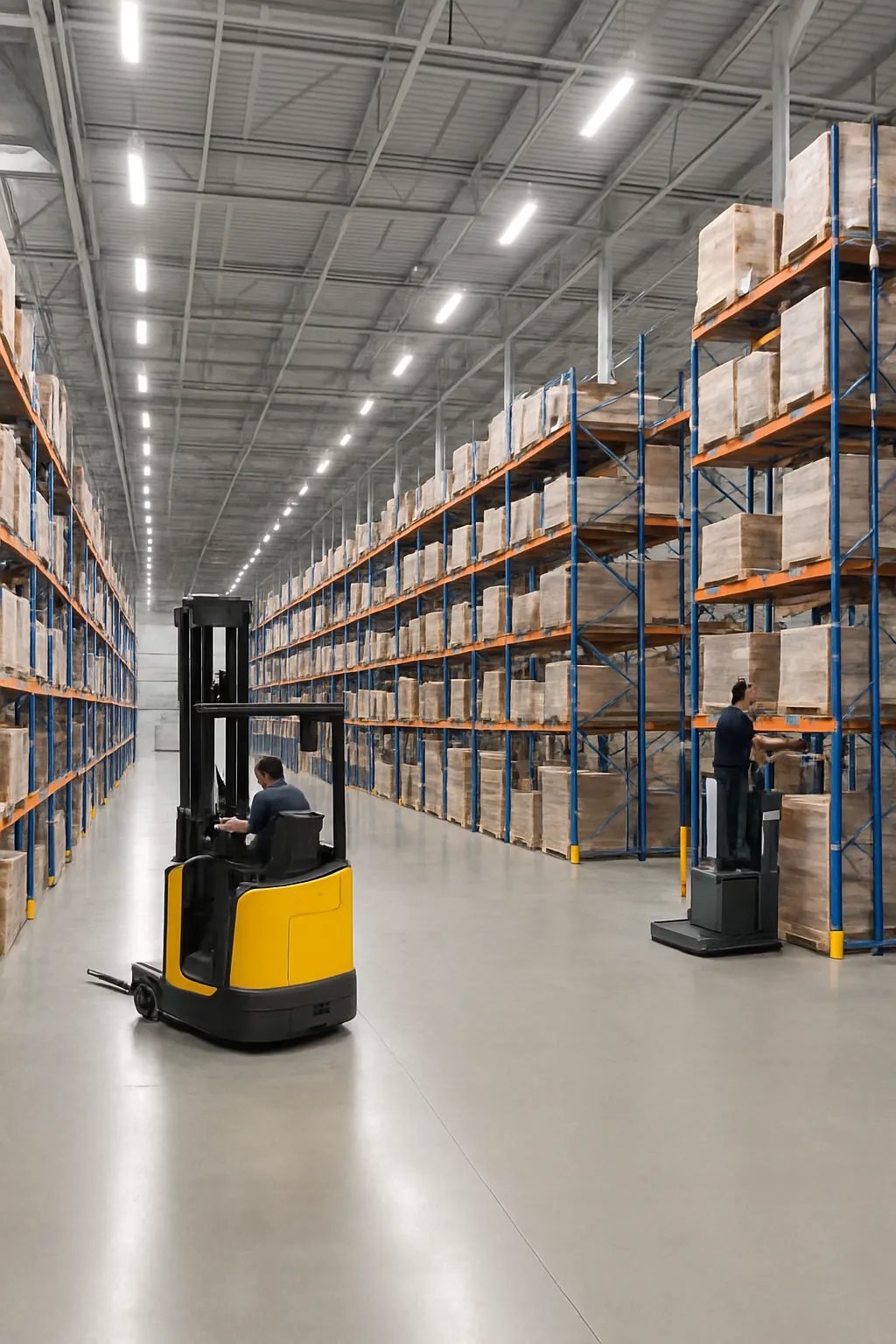
The warehouse of 2030 will look very different from today's distribution centres. Rapid growth in e-commerce, same-day delivery expectations, labour shortages, and rising real estate costs are driving businesses to rethink how they store and move inventory.
Instead of expanding warehouse footprints, companies are maximizing vertical storage and improving picking efficiency with specialized material handling equipment.
As a result, the wholesale forklift market is shifting away from traditional counterbalance trucks toward reach trucks and order pickers. These machines are becoming the preferred assets for third-party logistics (3PL) providers, retailers, and fulfillment centres looking to increase productivity while reducing operating costs.
The Rise of High-Density Warehousing
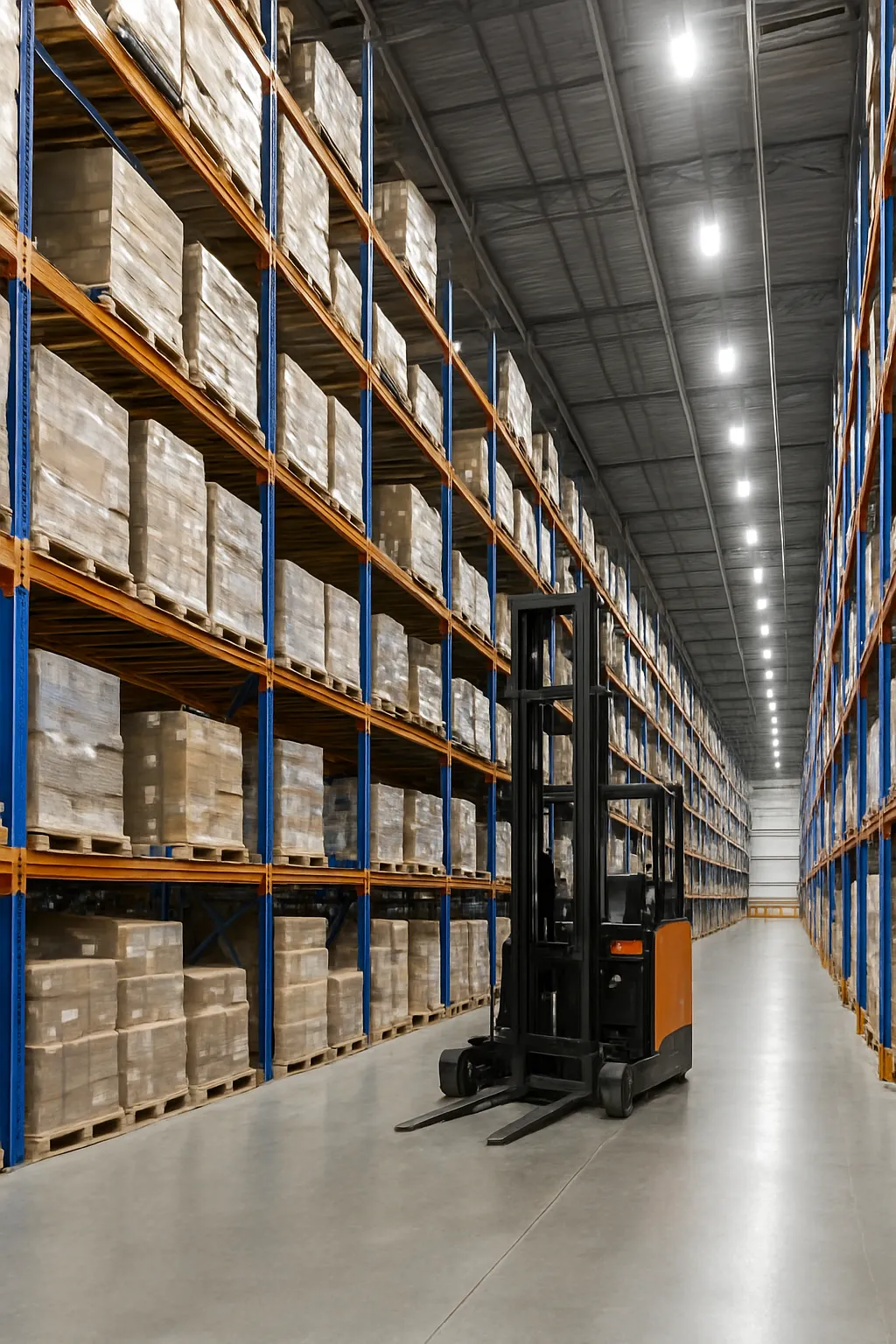
Warehouse operators face increasing pressure to store more inventory within the same building footprint.
Rather than constructing larger facilities, many businesses are investing in:
- Narrow aisle layouts
- Taller racking systems
- Automated inventory management
- Faster picking operations
- Space optimization strategies
These changes have significantly increased demand for equipment designed specifically for high-density environments.
Why Counterbalance Forklifts Are No Longer Enough
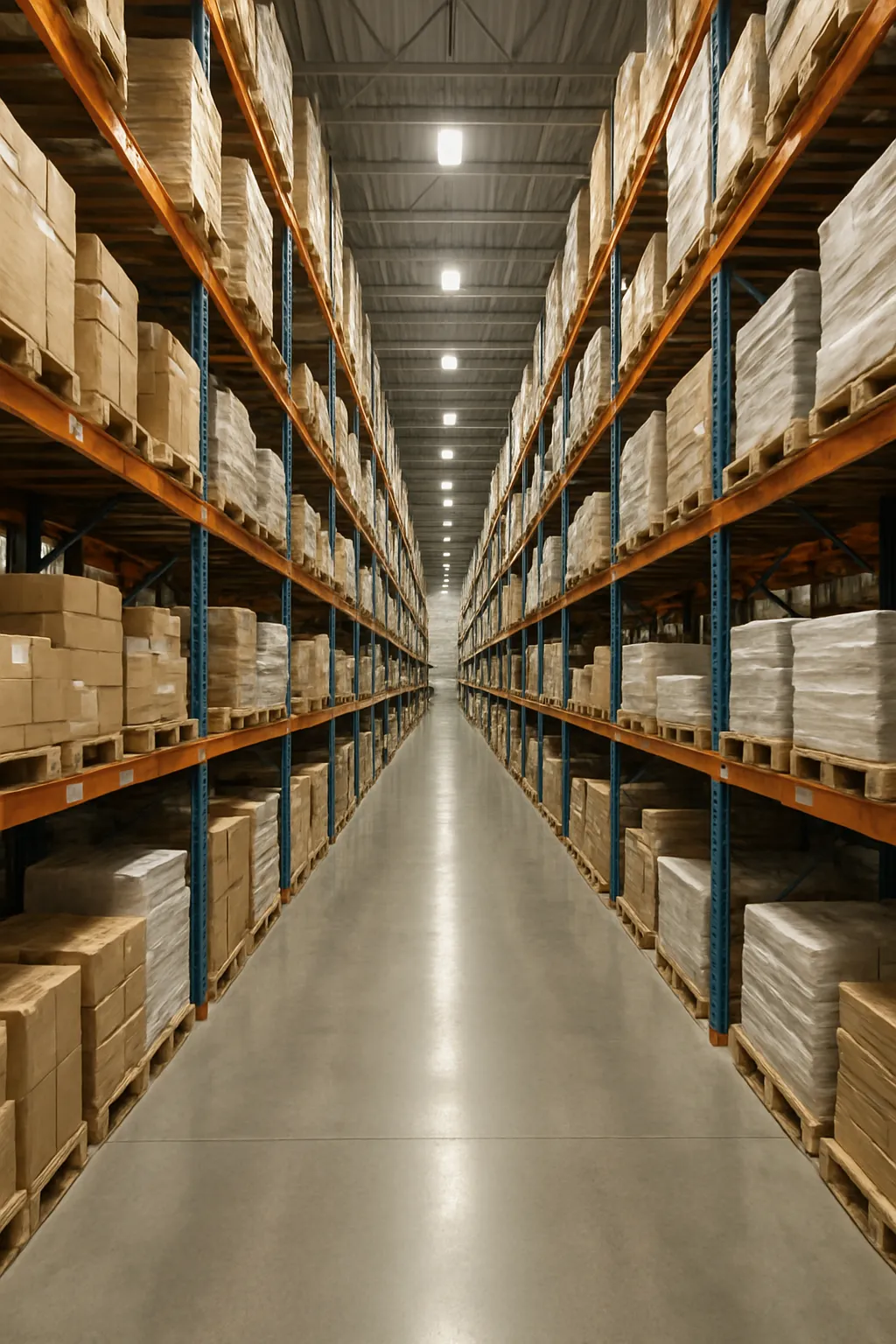
Counterbalance forklifts remain essential for loading docks and general material handling, but they have limitations inside modern warehouses.
Wider turning radius
Traditional counterbalance forklifts require more operating space, which limits how closely warehouse aisles can be positioned.
Lower storage density
Wider aisles reduce the amount of floor space available for pallet racking and inventory storage.
Reduced efficiency in narrow aisles
Counterbalance trucks may struggle to maneuver efficiently in compact warehouse layouts designed for maximum storage capacity.
Less effective high-rack access
As warehouse layouts become increasingly compact, businesses require equipment specifically engineered for vertical storage.
Reach Trucks Lead the Transition
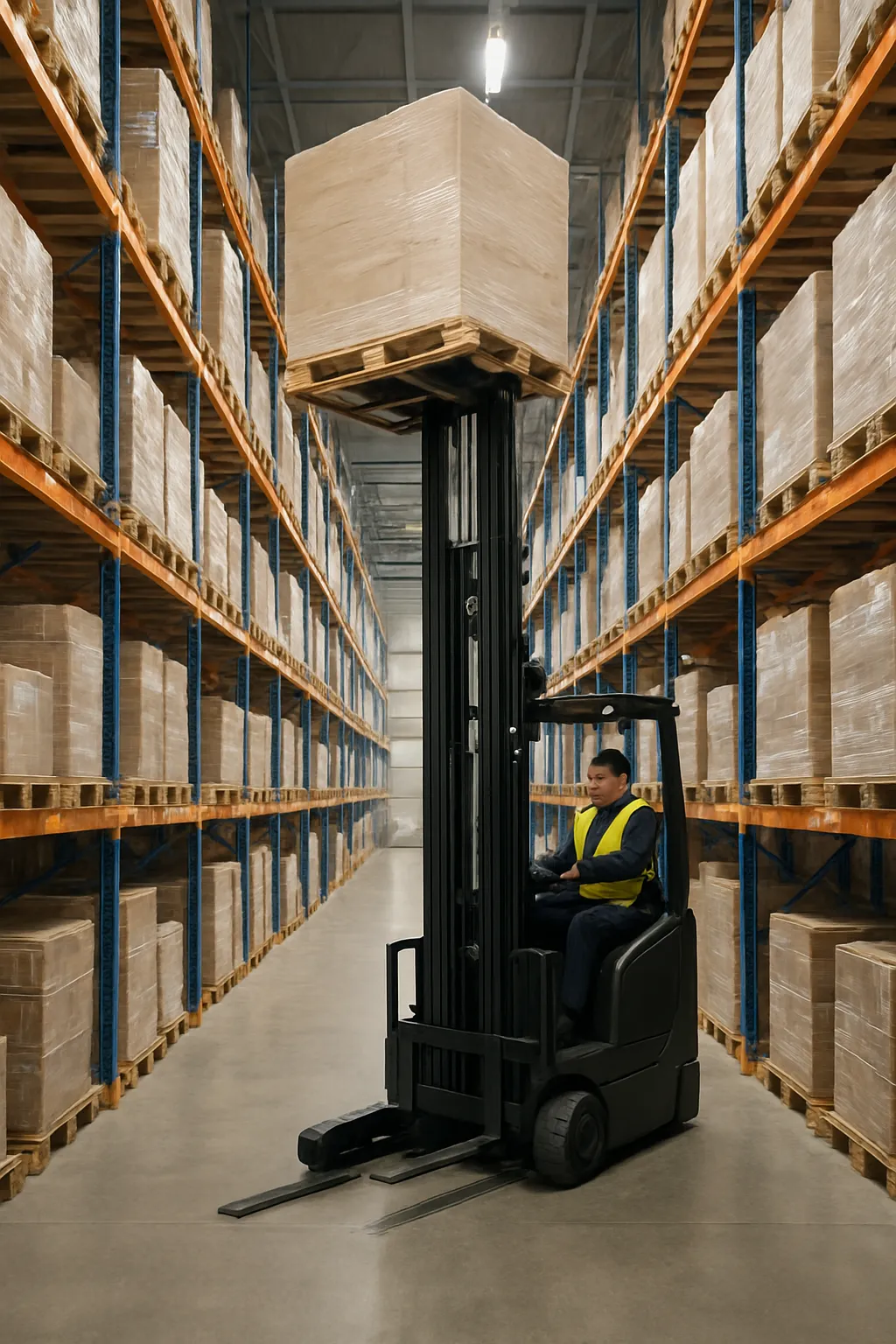
Reach trucks have become one of the fastest-growing equipment categories in warehouse logistics.
Designed for narrow aisles and tall storage racks, these forklifts allow operators to maximize cubic storage capacity without increasing facility size.
Their advantages include:
- Higher lift heights
- Excellent maneuverability
- Narrow aisle operation
- Improved pallet positioning
- Better warehouse space utilization
For warehouses managing thousands of pallet locations, these advantages directly translate into greater storage efficiency and improved productivity.
Businesses comparing warehouse equipment can learn why Reach trucks are best for high racks. Their specialized design makes them ideal for modern fulfillment centres where maximizing vertical storage has become a competitive advantage.
E-Commerce Is Changing Equipment Demand
Consumer expectations continue to reshape warehouse operations.
Same-day shipping
Warehouses must locate, pick, and prepare products within increasingly short fulfillment windows.
Next-day delivery
Distribution centres require equipment that keeps inventory moving accurately throughout every shift.
Real-time inventory
Modern equipment workflows must support accurate inventory tracking and rapid stock movement.
Accurate order fulfillment
Picking equipment must help operators select the correct products while reducing unnecessary travel.
Fast returns processing
Warehouse teams need flexible equipment to move returned products back into inventory quickly.
Meeting these expectations requires faster order picking than ever before.
This demand has increased investment in equipment that supports high-volume piece picking rather than simply moving pallets.
Why Order Pickers Are Becoming Essential
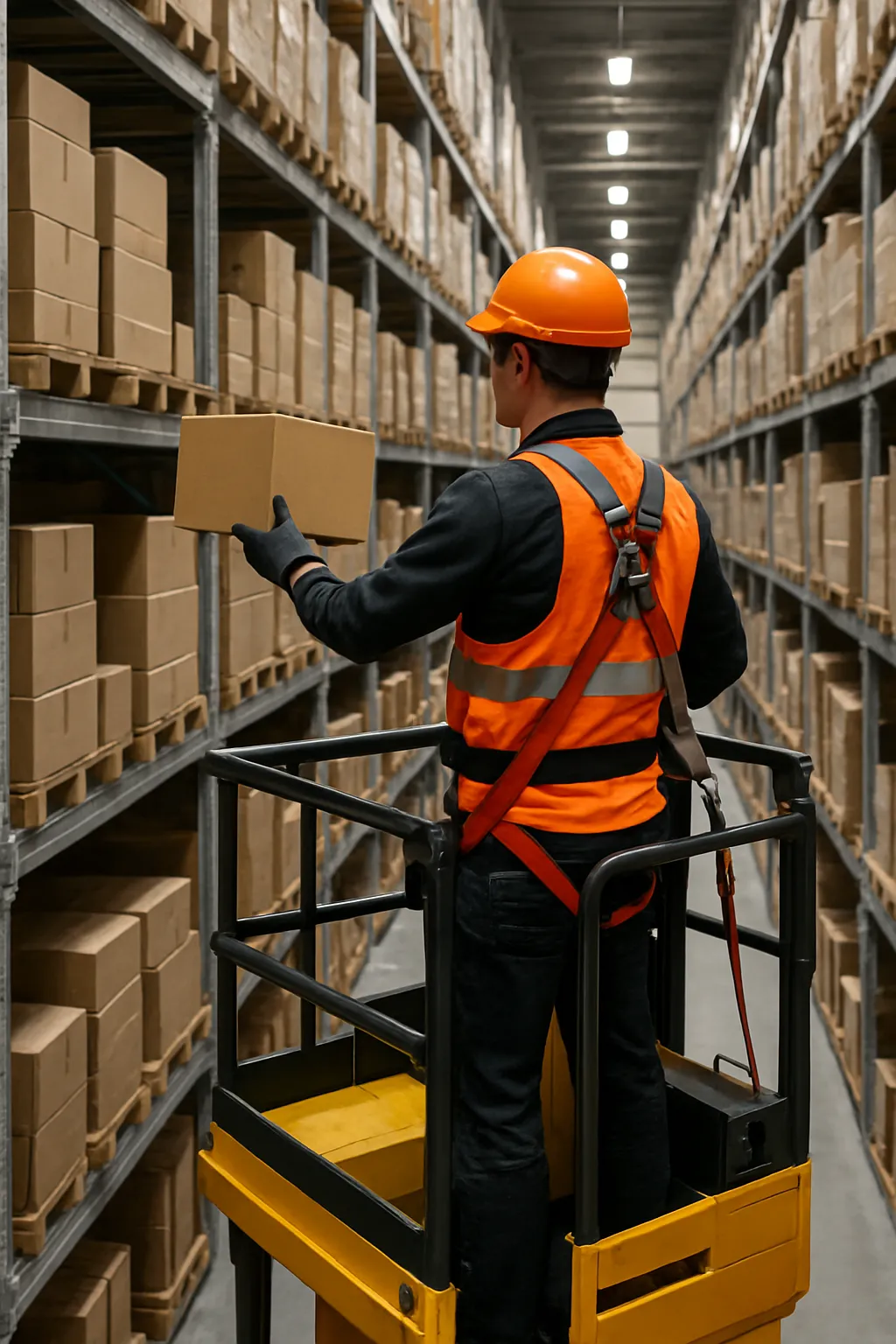
Order pickers allow operators to travel with elevated platforms while selecting individual products directly from warehouse shelving.
Unlike standard forklifts, these machines are specifically designed for:
- Piece picking
- High-volume order fulfillment
- Retail distribution
- E-commerce operations
- Small item selection
They improve productivity by reducing unnecessary travel while allowing operators to access products stored at multiple heights.
Companies looking to improve fulfillment efficiency can explore Order Pickers for warehouse distribution. These specialized machines help support faster, more accurate order processing in modern distribution centres.
Why 3PL Providers Prefer Specialized Equipment
Third-party logistics companies manage inventory for multiple customers simultaneously.
Their success depends on:
High storage density
Specialized warehouse equipment allows more customer inventory to be stored within the same facility.
Fast inventory movement
Reach trucks and order pickers help keep pallets and individual orders moving through the warehouse efficiently.
Flexible warehouse layouts
Narrow-aisle equipment supports adaptable storage plans for clients with different inventory requirements.
Reduced labour costs
Efficient equipment reduces travel time and helps operators complete more work during each shift.
Maximum equipment utilization
Specialized machines can be matched more precisely to pallet handling and order-picking workflows.
Reach trucks and order pickers directly support these goals by improving warehouse throughput while making better use of available space.
As warehouse automation expands, specialized equipment continues to play a central role alongside emerging technologies.
Wholesale Demand Is Following Market Trends
The used equipment market often reflects broader industry changes.
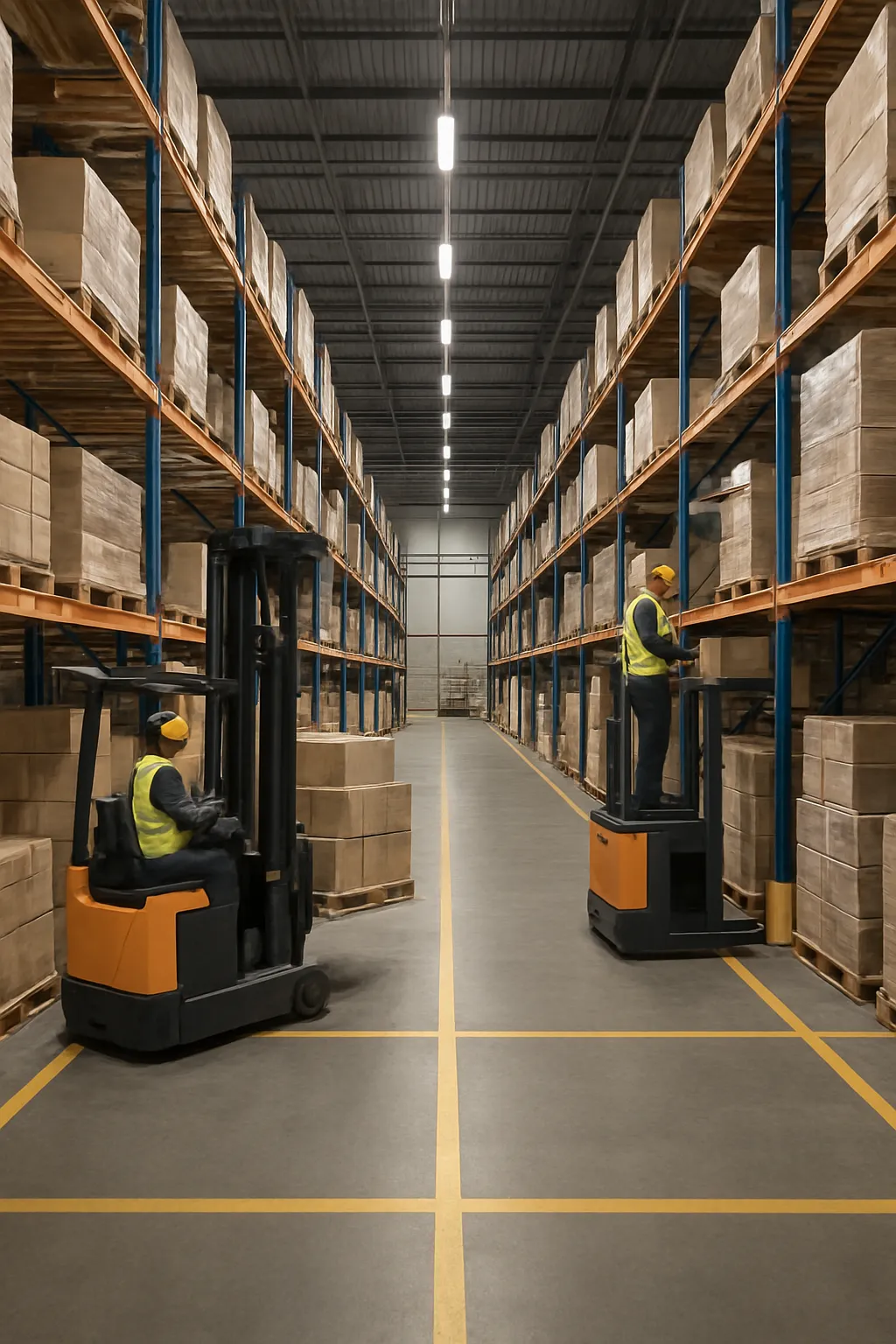
As more warehouses modernize, demand for quality used reach trucks and order pickers continues increasing.
Wholesale buyers frequently prioritize equipment that offers:
- Longer service life
- Reliable maintenance history
- Lower operating costs
- Strong manufacturer support
- High resale value
Businesses replacing older fleets often find these specialized machines retain competitive resale values due to continued demand.
Planning for the Warehouse of 2030
Warehouse operators evaluating future equipment investments should consider more than today's operational requirements.
Important planning factors include:
Projected inventory growth
Future storage requirements should influence racking height, aisle configuration, and equipment capacity.
Building height
Facilities with greater clear height can benefit from reach trucks designed for higher rack positions.
Picking volume
Increasing order volumes may require more order pickers and more efficient picking routes.
Labour availability
Equipment productivity becomes more important when qualified warehouse labour is difficult to recruit.
Automation plans
New equipment should fit future inventory systems, automation projects, and warehouse technology.
Customer delivery expectations
Equipment planning should support faster and more accurate fulfillment requirements.
Investing in equipment designed for future workflows can reduce replacement costs while improving long-term operational flexibility.
The Future Is Vertical
Warehouse design is increasingly focused on making better use of vertical space.
Instead of expanding horizontally, organizations are:
- Building taller storage systems
- Narrowing aisle widths
- Improving inventory accuracy
- Increasing picking speed
- Reducing travel distances
Reach trucks and order pickers support all of these objectives.
As e-commerce continues expanding across North America, these specialized machines are expected to become even more valuable assets within both new and existing warehouse facilities.
Final Thoughts
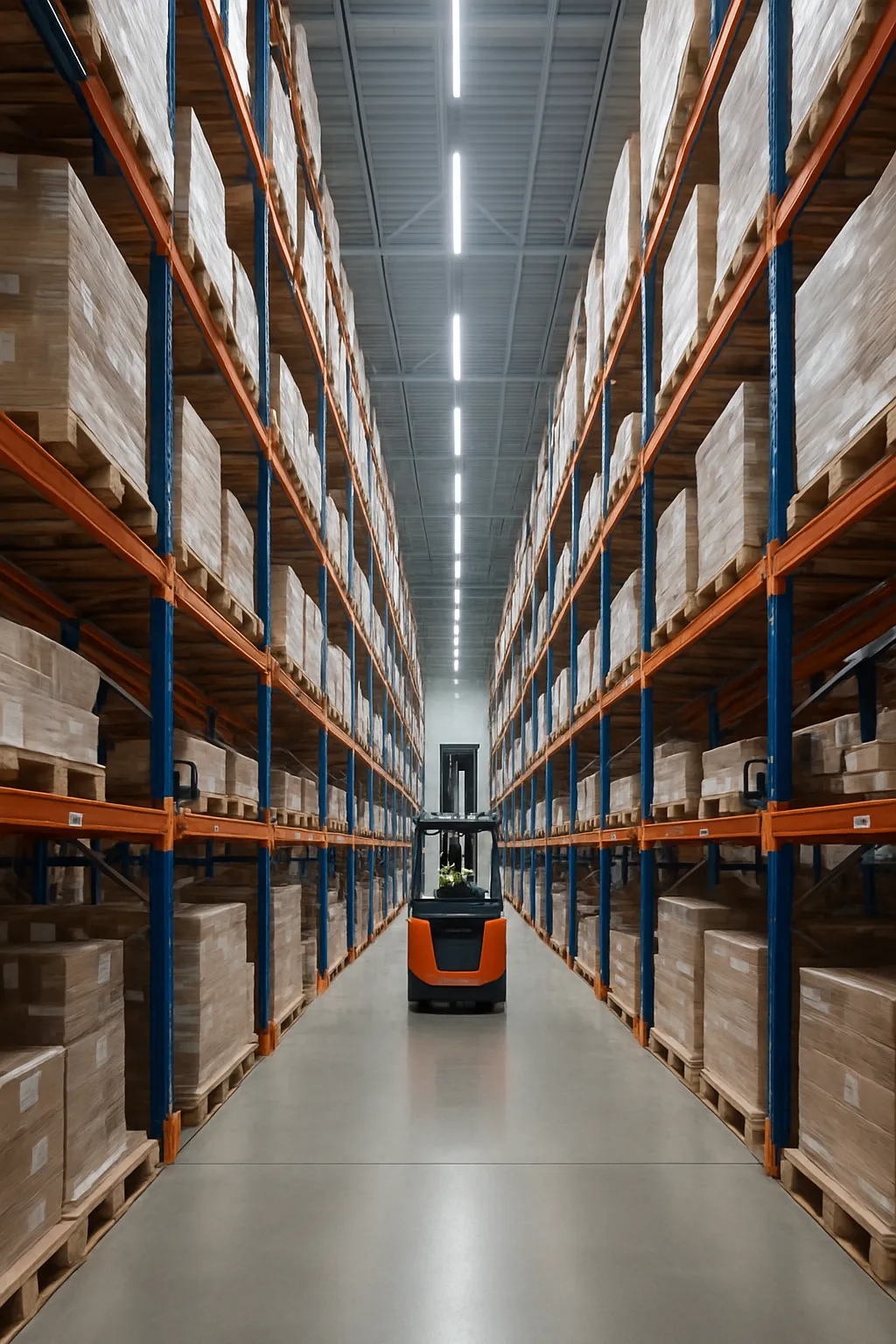
The warehouse of 2030 will be defined by greater efficiency, higher vertical storage, and faster order fulfillment. While traditional counterbalance forklifts will continue to play a vital role in loading docks and material transport, reach trucks and order pickers are quickly becoming the preferred equipment for high-density warehouses and 3PL operations.
Businesses can turn to Forklift Truck for insights into the latest warehouse equipment, industry trends, and specialized solutions that support modern logistics.
Investing in advanced warehouse equipment today helps companies maximize storage capacity, improve picking accuracy, lower operating costs, and maintain a competitive edge in an increasingly automated and technology-driven supply chain.