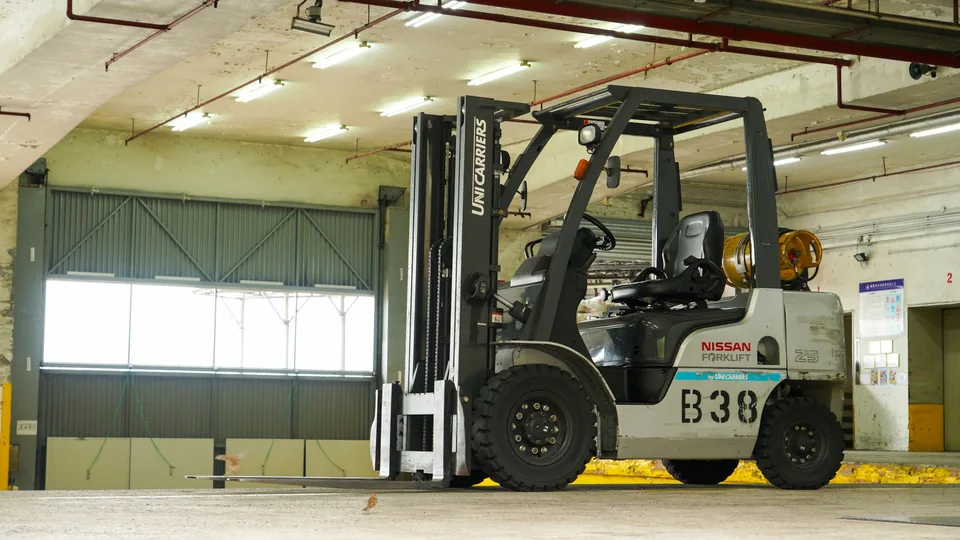
Find the right forklift for your Vancouver operation
If your operation receives freight in containers or trailers, begin with the clear opening, load height and available turning space. Include whether the truck stays on the warehouse floor, crosses a dockboard or travels into the transport unit. Those are different requirements. Ask for confirmation of truck dimensions, mast configuration and capacity for the actual load rather than relying on a model name or nominal capacity alone.
What to confirm before you buy
For routes exposed to rain, tell the supplier about surface condition, drainage, gradients and the transition back indoors. Tire choice and weather suitability should follow the equipment manufacturer's guidance and your site assessment. When comparing a used truck, inspect corrosion, tires, mast components and the relevant electrical systems through a qualified assessor. An electric option also needs an appropriate charging area and a realistic plan for operating hours.
Covered warehouse receiving
Compare compact dimensions, aisle clearance and visibility around the pallets you handle most often.
Outdoor loading transitions
Describe the paved surface, wet areas and gradients; have truck and tire suitability assessed for the full route.
Container access
Verify collapsed mast height, overhead guard height and load clearance against the actual freight unit.